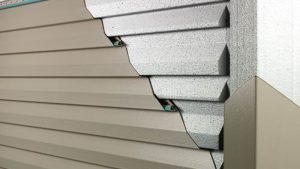
Vinyl siding is one of the best options for covering a home, thanks to its durability and low maintenance cost. That said, weather exposure and inconsistent upkeep can eventually leave repainting or full replacement as the only realistic options.
This guide covers some of the most common questions homeowners have about repainting and replacing vinyl siding.
In this guide
- Should I Paint My Vinyl Siding Or Replace It?
- Can Old Vinyl Siding Be Painted?
- Do I Need Special Paint For Vinyl Siding?
- Can Vinyl Siding Be Painted Over?
- Do You Need To Prime Vinyl Siding Before Painting?
- Can You Paint Vinyl Siding With A Brush?
- What Kind Of Paint Should I Use On Vinyl Siding?
- Best Vinyl Siding Paint Colors
Should I Paint My Vinyl Siding Or Replace It?
The two main options for updating your home's exterior siding are a full siding replacement or simply painting over what's already there. As a homeowner, figuring out which route actually makes sense can feel like a genuinely daunting decision.
Deciding between painting and replacement depends on a few key factors:
• Cracks in the siding
• Damage from moisture and mold
• Peeling or faded paint on the surface
• Missing or broken panels
• Warped boards
These factors make it fairly easy to decide what your siding actually needs. For instance, genuinely damaged vinyl siding calls for repair or replacement, not a fresh coat of paint.
Repair
Repair is worth considering if full replacement feels too costly right now. You can repair vinyl siding by simply swapping out the damaged planks or sections, which is a considerably cheaper fix than a full siding replacement.
That said, it's worth knowing this route comes with its own hassle — finding a replacement piece that's a near-perfect color and style match for your existing siding isn't always easy, especially with older or discontinued siding lines. If keeping costs down is your priority, a targeted repair should do the job. If you're thinking longer-term, though, full replacement tends to be the better investment.
Repainting
Repainting is the right call when there's no serious underlying damage to your siding. A thorough pressure wash is a good way to find out for sure — it should reveal any faults hiding under surface grime.
If there's no serious damage and you'd like to handle the painting yourself, here are a few tips that can help:
• Get the right painting equipment for the job.
• Use paint specifically formulated for vinyl siding.
• Check for and repair any minor faults before you start painting.
• Paint during mild, moderate weather for the best results.
• Apply the paint and give it enough time to fully dry.
If painting feels like more than you want to take on yourself, hiring a professional is always a reasonable option. Just keep in mind that however you approach it, you'll be paying either in money or in your own time.
Can Old Vinyl Siding Be Painted?
Yes, old vinyl siding can absolutely be painted — whether it should be really comes down to its current condition and how much actual damage it's carrying.
If you're only dealing with minor flaws, you can fix those and move straight into painting. To get the best possible result, start by prepping the siding thoroughly, typically with a good pressure wash. From there, gather the right painting equipment and confirm you're using paint actually formulated for vinyl siding.
Next, track down and repair any minor flaws before you start painting. Once that's done, paint during mild weather for the best results, applying at least two coats and letting each one fully dry before moving on.
Do I Need Special Paint For Vinyl Siding?
Yes, vinyl siding genuinely needs a specific type of paint. One of the most common mistakes novice DIYers make is grabbing whatever leftover paint happens to be sitting in the garage rather than something formulated for the job.
The result is often disappointing, since the wrong paint simply won't adhere properly to the siding's surface. Several manufacturers offer paint specifically designed for vinyl siding, typically available at home improvement stores — check the label on the can to confirm it's actually rated for vinyl use, and don't hesitate to ask a store associate if you're unsure which option to pick.
It's worth knowing that most vinyl-siding-rated paint is formulated around acrylic and urethane resins specifically — those are the two ingredients worth checking for on the label when you're shopping for paint for this job.
Can Vinyl Siding Be Painted Over?
Vinyl siding is generally considered a maintenance-free material, since its color is mixed directly into the material itself rather than applied as a coating — in theory, there's no need to paint it at all.
Over time, though, sun exposure causes vinyl siding's color to fade, and that fading often happens unevenly across different parts of the surface depending on sun exposure. At that point, your realistic options come down to repainting or a full replacement.
Replacement costs considerably more upfront, while repainting is meaningfully cheaper, though it costs you more of your own time instead. Either way, the short answer is yes: vinyl siding can absolutely be painted over.
Do You Need To Prime Vinyl Siding Before Painting?
As with most home painting projects, priming vinyl siding first can make a real difference in how smoothly the final paint job goes on and how well it holds up.
Priming becomes genuinely necessary if the vinyl surface is worn enough that it's started cracking, or if the siding's color has faded so severely that the surface itself has become porous. If either of those describes your siding, priming first is worth doing — and it's worth reaching specifically for a primer formulated for vinyl siding rather than a general-purpose one.
Preparing Your Vinyl Siding For Painting
A thorough pressure wash is one of the best ways to prep vinyl siding before painting. That said, pressure washing matters most for older siding that's accumulated real grime — if your siding is still fairly new and just needs a fresh coat, you can typically skip it.
With reasonably consistent routine maintenance, a single wash is usually enough. A second pass is only really needed if you spot moss, mold, or leftover debris after the first one. Dedicated vinyl siding cleaning solutions are widely available at home improvement stores if plain water alone doesn't cut it — again, ask a store associate if you're not sure which product fits your situation.
After washing, rinse the siding thoroughly, since leftover cleaning residue or debris can keep paint from adhering properly. Then let it dry for about 2 to 3 days — water and vinyl paint genuinely don't mix well together, so waiting until the surface is completely dry gives you the best shot at a clean, lasting repaint. Once it's fully dry, you're ready to start painting.
Can You Paint Vinyl Siding With A Brush?
Yes, vinyl siding can be painted with a brush, though that's just one of a few options — you can also spray it or use a roller.
Spraying is generally considered the best method for applying paint to vinyl siding. It saves considerable time and tends to produce a smooth, even result much closer to the siding's original factory finish. A brush or roller, by comparison, is more likely to leave visible strokes or texture behind, which won't look quite as seamless as a sprayed finish.
Painting with a brush is still a perfectly workable option, especially for smaller touch-ups or tight corners a sprayer can't easily reach — but for covering a large area with the most polished, consistent result, spraying remains the better choice.
What Kind Of Paint Should I Use On Vinyl Siding?
A water-based, 100% acrylic paint, or a urethane-modified acrylic paint, is generally the best choice for painting vinyl siding. Avoid cheap, low-grade latex paint if you're after something genuinely durable.
Acrylic paints are known for real flexibility, which matters a lot given what vinyl siding actually goes through across the seasons — it commonly expands somewhat in summer heat and contracts again in winter cold. Using a low-quality paint on top of that movement is essentially wasted money, since it's considerably more likely to crack or peel under the ongoing stress of expansion and contraction.
Oil-based paints and cheap latex formulas should both generally be avoided for the same reason — they simply aren't flexible enough to handle vinyl's seasonal movement without cracking. For extra protection against cracking or peeling, a paint additive sometimes called a "paint conditioner" or flex additive can help give standard paint the added flexibility it needs for a lasting, clean finish on vinyl.
Best Vinyl Siding Paint Colors
As a general rule, the safest approach is to repaint vinyl siding in a color no darker than its original shade. Vinyl siding is typically manufactured in lighter colors specifically because it's made from pigmented plastic that already absorbs meaningful heat in direct summer sun — going noticeably darker increases that heat absorption further, which raises the real risk of warping.
Vinyl siding that's manufactured in a dark color from the factory is typically engineered with a sturdier formulation specifically to handle that extra heat load. Standard, lighter-colored vinyl siding generally isn't built to the same heat tolerance, which is exactly why repainting standard vinyl siding a significantly darker color risks cracking or warping over time — going the other direction, from a dark factory color to something lighter, doesn't carry that same heat-related risk.
If you're not sure exactly how dark you can safely go, it's worth getting input from a professional painter or checking a paint manufacturer's specific "vinyl-safe" color guidelines — most major paint brands publish one — so you can get a repaint that actually holds up rather than cracking or peeling prematurely.
Vinyl Siding Related Posts
- How To Cut Vinyl Siding (Explained For Beginners)
- How To Hang Things On Vinyl Siding?
- How To Get Stain Off Vinyl Siding (Complete Guide)
- How to Repair Vinyl Siding (Quick Facts)
- Vinyl Siding and Bugs: Important Information to Protect Your Home!
- Vinyl Siding: Effective Insulator or Not? (Everything You Need to Know)
- Vinyl Siding: Is It Right For Your Home? Find Out Here!
- Vinyl Siding: The Complete Maintenance Guide