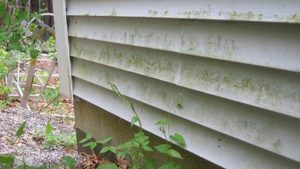
Vinyl siding can end up stained for all sorts of reasons — splashes, algae, lichen, mold, smoke residue, oil, moss, or chemical exposure can all leave visible marks that make it look unsightly over time.
Outdoor cleaning products designed for contractor and heavy-duty use are generally what it takes to remove these kinds of vinyl stains, and the right cleaner for the job largely depends on whether the stain is oil-based or water-based.
This guide covers everything you need to know about cleaning vinyl siding effectively.
In this guide
- How To Get Stain Off Vinyl Siding: Step by Step Tips
- Best Products for Cleaning Vinyl Siding
- Does Bleach Damage Vinyl Siding?
- Best Vinyl Siding Cleaner (No Scrubbing Needed)
- Best Vinyl Siding Cleaner For Oxidation
- Best Brush To Clean Vinyl Siding
- Best Cleaner To Remove Oxidation From Vinyl Siding
- Best Pressure Washer Nozzle For Vinyl Siding
- Conclusion
How To Get Stain Off Vinyl Siding: Step by Step Tips
1. Mix your bleach solution
Combine a liter of water with a cup of powdered oxygen bleach in a basin, stirring with a wooden spoon or similar tool. Transfer a small amount into a spray bottle and seal it tightly, and keep a separate bowl of clean water nearby for rinsing.
2. Spray the affected area
Spray the bleach solution directly onto the stained area and let it sit for about 10 minutes. Keep in mind that bleach will also lighten general grime and dirt buildup on the surrounding siding, so you may need to treat a wider area than just the stain itself to keep the panel color looking consistent afterward.
3. Soak your cleaning brush in the solution
Dip a cleaning brush into the bleach solution and gently scrub the stained area. If the stain persists, spray again and let it sit for a few more minutes before scrubbing once more. Wipe the area down afterward with a cloth soaked in clean water. Oxygen bleach is effective against both oil-based and water-based stains.
4. Tackle tough stains with a detergent made specifically for vinyl
Spray any remaining stains with a plastic-safe, eco-friendly detergent — plenty of organic cleaning brands offer formulas made specifically for this kind of job. Let the detergent work on the stain for 10 to 15 minutes, then wipe clean with a damp cloth or sponge.
5. Use a purpose-built exterior cleaner for the toughest stains
For genuinely stubborn stains, a dedicated exterior cleaner formulated specifically to remove vinyl staining is worth reaching for. Products like this are typically formulated differently depending on whether they're targeting an oil-based or water-based stain, so check the label matches your situation. Apply a small amount to the stain, let it sit for about 10 minutes, then wipe clean with a damp cloth.
Wood stain residue in particular is tough and can be genuinely difficult to remove once it's dried on vinyl siding. That said, several products can lift it without damaging the vinyl's protective finish underneath.
To remove wood stain from vinyl siding, try these approaches:
1. Wear rubber gloves, then mix 3/4 cup of oxalic acid crystals with 1 liter of warm water. Apply the mixture to the stain and let it sit for 5 minutes, then wipe it off the vinyl surface with a soft sponge.
2. Wet the stain with soapy water first to help soften it, then wipe the surrounding area clean with a soft, non-abrasive scouring pad.
3. Spray the stain with a strong, purpose-made product like Krud Kutter or a graffiti lift-off remover. Let it sit for about 10 seconds, then wipe dry.
4. Try a pine-oil-based cleaner, such as Pine-Sol or Simple Green. Let it sit for about 10 minutes, then scrub gently with a soft brush.
5. A dedicated deck stain remover, like those made by Olympic, can also work well — apply it to the stain and wipe clean with a soft cloth.
6. Finish with a spray of Goo Gone directly on any remaining residue, letting it sit for about 5 minutes before wiping it away with a Mr. Clean Magic Eraser. A light spray of Windex can also help lift the last traces of a stain when combined with the same Magic Eraser.
One product worth actively avoiding here: PVC pipe cleaner or primer, despite vinyl siding and PVC pipe both being made from polyvinyl chloride. These products are specifically formulated with strong solvents (commonly tetrahydrofuran, acetone, and methyl ethyl ketone) designed to soften and slightly dissolve a PVC pipe's surface so cement can bond permanently to it — which is exactly the kind of surface damage you're trying to avoid on siding you actually want to keep looking good. Stick to products actually formulated for exterior vinyl siding cleaning instead.
Best Products for Cleaning Vinyl Siding
Choosing the best vinyl cleaner starts with identifying the type of stain you're dealing with, then matching that to the right application method for your specific home. Most commercial vinyl cleaners are safe for nearby plants and lawns when used as directed, though watering your plants after cleaning is still a good idea to rinse off any cleaning solution that may have drifted onto the leaves.
Some cleaning ingredients can react with or damage the polyvinyl chloride (PVC) that vinyl siding is made from. To avoid this, look for a siding or exterior cleaner built around water or a mild inorganic solvent like hydrogen peroxide, or a soap based on a water-soluble surfactant such as alkyl sulfate.
Detergents containing petroleum-based solvents, or organic solvents like acetone, benzene, or tetrahydrofuran, can genuinely damage vinyl siding — causing dark, cloudy staining, streaking, yellowing, brittleness, cracking, or visible warping of the surface. These same solvents can also cause discoloration and leave the siding noticeably less durable over time.
Tips for choosing the best vinyl siding cleaner
Vinyl cleaners are often labeled simply as "household cleaners" or "household and exterior wall cleaners." Many of these products share similar core ingredients, but it's still worth reading the label closely to confirm a product is genuinely safe and effective for vinyl before using it.
Find the right vinyl cleaner for the job. Most siding cleaners are safe to use, but some contain strong chemicals that can dull the vinyl's finish over time, so it's worth choosing carefully. If you're using a pressure washer, make sure whatever cleaning agent you choose is actually compatible with it. In general, the quickest and easiest way to clean vinyl siding is a pressure washer, which can lift dirt, grime, and oil stains fairly effortlessly.
Think about the specific type of stain you're dealing with. Most detergents are formulated to target particular stain types, and you don't need to memorize an ingredient list to figure out which one to use — manufacturers typically list right on the packaging exactly which types of stains their product is designed to remove.
Does Bleach Damage Vinyl Siding?
Chlorine-based bleach is commonly used to clean stains off vinyl siding surfaces, and it's especially effective at removing mold, mildew, and algae. Vinyl siding can also be cleaned with plain detergent, but bleach-based cleaners like Clorox tend to be considerably more effective against stubborn mold, mildew, dirt, and grime buildup.
Bleach can also lift stains from ink, juice, soda, coffee, tea, and tomato sauce or puree, among plenty of other common household stains.
Properly diluted bleach, with the surface thoroughly rinsed afterward, won't damage vinyl siding. Avoid vinyl cleaners containing organic solvents, and never apply undiluted chlorine bleach directly to the surface.
• Mix a solution of about 1 tablespoon of bleach per cup of water.
• Let the solution sit and work on the stain for 1 to 2 hours.
• Once the stain has lifted, rinse the area thoroughly and let it dry.
Best Vinyl Siding Cleaner (No Scrubbing Needed)
Vinyl cleaners generally come in three application formats: a pressure washer attachment, a hose-end dispenser, or a hand-applied cleaner used with a long-handled brush. Of these, the first two options are genuinely the best choice if you want to avoid manual scrubbing altogether — vinyl siding cleaning without much elbow grease.
1. A pressure washer
This is genuinely the quickest and easiest way to clean vinyl siding and lift stubborn stains. Vinyl-safe cleaning solutions made specifically for pressure washer use are typically sold in large containers designed to pour directly into your washer's detergent tank — Simple Green's Pro HD Siding Pressure Washer Cleaner is one widely available example.
2. A hose-end dispenser
A hose-end dispenser is a bottle attachment that connects to the end of a standard garden hose, spraying diluted detergent as water flows through it. This approach skips the need to fill and haul a separate spray container — products like "30 Seconds Cleaners Hose End Sprayer Outdoor Cleaner" work this way.
Best Vinyl Siding Cleaner For Oxidation
Vinyl siding oxidation — the chalky, faded look that develops over time — can often be tackled with regular household items like vinegar, laundry detergent, and bleach.
• For a basic vinegar cleaner, combine 5 cups of vinegar with 1 liter of water in a bucket.
• For a stronger bleach-based solution, combine 1/3 cup laundry detergent, 2/3 cup all-purpose household cleaner, 4 cups household bleach, and 1 gallon of water.
• Soak a soft cloth or sponge in the solution and apply it to the affected siding.
A commercial product like Scotts Outdoor Cleaner Plus OxiClean is a solid ready-made alternative if you'd rather not mix your own solution.
Best Brush To Clean Vinyl Siding
Industry guidance from the Vinyl Siding Institute generally recommends a soft cloth, or a soft-bristled brush with a long handle, for cleaning siding by hand. A soft brush like this is especially well suited to textured or embossed siding profiles, where a cloth alone might struggle to reach into the grooves.
Best Cleaner To Remove Oxidation From Vinyl Siding
The chalky white residue that shows up on vinyl siding and trim is typically caused by oxidation from ongoing sun and weather exposure. It can be removed from most vinyl siding, though the process can be genuinely time-consuming and labor-intensive — the payoff is that the vinyl's original finish tends to look noticeably refreshed once the oxidation is cleared.
To tackle stubborn oxidation, mix 1/3 cup laundry detergent, 2/3 cup household cleaner, 1 liter household bleach, and 1 liter water for a slightly stronger cleaning solution than the standard oxidation mix above.
A ready-made product like Vinyl Renu Cleaner Concentrate is another solid option — it's VOC-free, which makes it gentler on surrounding soil, plants, pets, and your own household. It's also used and recommended by several major vinyl siding manufacturers, including LP, Royal, Kaycan, ABC Siding, Owens, and CertainTeed.
Best Pressure Washer Nozzle For Vinyl Siding
Pressure washer nozzles are rated by spray angle in degrees and are commonly color-coded for quick identification.
A 15-degree yellow nozzle is generally the best choice for siding and similar surfaces. Start at the top of the wall and work your way down, keeping the nozzle 3 to 4 feet from the surface and moving it continuously rather than holding it in one spot, to avoid damaging the siding.
The 15-degree yellow nozzle works especially well on thicker, more stubborn stains, but it's also the one most likely to scratch or gouge the vinyl surface if used carelessly, so take care and keep it moving.
A 25-degree green nozzle offers the broadest range of general cleaning use. Its spray stays dense enough to handle concrete and masonry when held close to the surface, but held a bit further back, it's gentle enough to clean vinyl siding safely. In general, a 25-degree green nozzle is best suited to sweeping away loose debris, dirt, leaves, and light dust that hasn't deeply set into the surface of your siding.
Conclusion
Vinyl siding can pick up stains surprisingly easily, whether from mold and algae, tree sap, wood stain overspray, or ordinary dirt and grime carried by wind and rain. The good news is that most of these stains respond well to the cleaning approaches covered above, as long as you match the right cleaner to the type of stain and avoid the harsh solvents that can genuinely damage vinyl's finish.
If a stain seems especially stubborn, or you're just not confident tackling it yourself, it's always reasonable to bring in a siding cleaning professional instead. But if you'd rather handle it yourself, the steps and products above should give you everything you need to get your siding looking clean again.
Vinyl Siding Related Posts
- How To Cut Vinyl Siding (Explained For Beginners)
- How To Hang Things On Vinyl Siding?
- How to Repair Vinyl Siding (Quick Facts)
- Painting Vinyl Siding: 8 Answers You Should Know!
- Vinyl Siding and Bugs: Important Information to Protect Your Home!
- Vinyl Siding: Effective Insulator or Not? (Everything You Need to Know)
- Vinyl Siding: Is It Right For Your Home? Find Out Here!
- Vinyl Siding: The Complete Maintenance Guide