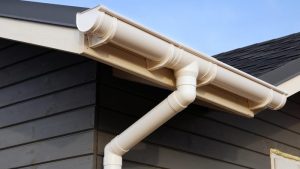
If you own a house, chances are it already came with rain gutters installed. They're one of those things that have been standard for decades — most people don't think much about them until something goes wrong, or until it's time for a routine maintenance check.
If you need new gutters installed on an existing home, though, there are real intricacies involved that call for a professional installer who specializes in this kind of work. A qualified installer handles those tricky details for you, so you can focus on enjoying your home rather than worrying about costly repairs down the line.
Here, we'll walk through some of the most common questions homeowners have about getting gutters installed.
In this guide
Do I Need Gutters Around My Entire House?
Having gutters around your entire home is generally a smart way to manage rainwater efficiently. Without them, rain that gets in around your home's edges can end up damaging floors and walls over time.
That said, not every home needs gutters running along every single edge. If your roof slopes in multiple directions away from a central point, you likely don't need gutters surrounding the entire structure — just at the base of each slope where water actually collects. A roof with just two opposing slopes, on the other hand, typically does need gutters along both edges.
For example, if a roof slopes toward the front and back of the house with a ridge running down the middle, you likely wouldn't need gutters on the side walls, but you would want them installed along the front and back edges where water actually runs off.
A roof is designed to let water slide down and collect in the gutter system below it. That said, if you live somewhere with genuinely minimal rainfall, or your home is surrounded mostly by concrete or hardscaping rather than soil and landscaping, you might be able to get by without gutters at all.
It's worth weighing a few things before shopping for gutter installation. If your landscape already slopes away from the house, or your roof has a large overhang that carries water well clear of the foundation, you likely have less to worry about. If that's not the case, it's worth getting advice from a qualified installer before deciding either way.
Gutters are a genuinely efficient system when installed correctly, and most homes don't actually need a full gutter run wrapping the entire building. That said, several specific details still matter when determining exactly how much gutter length your home actually needs.
A few essential things to keep in mind:
• If a roof has multiple distinct slopes, each slope generally needs its own gutter along its lower edge. During rainfall, each slope drains independently into its own gutter section, which then carries that water down through a connected downspout. If one slope's edge is missing a gutter, the water running off it simply won't be captured or drained properly.
• Roof surfaces that overhang the walls by more than about a foot may need a gutter too, depending on the roof's height and pitch — a larger overhang means more rainwater volume concentrated along that edge, so the gutter needs enough structural strength to handle that added weight. If a gutter isn't strong enough for the load it's handling, water can back up and work its way between the roofline and the wall, which creates a real risk of rot and mildew wherever that moisture lingers.
• Many roofs have two main slopes separated by a flatter section in between. In this case, gutters generally go along both sloped sections, while the flatter transition area in between usually doesn't need its own separate gutter, provided the pitch is steep enough to keep water moving. If that middle section is unusually low-pitched or nearly flat, though, it's worth double-checking that water doesn't pool there after storms.
• A low-pitch roof tends to direct water toward gutters and downspouts fairly effectively on its own, but if the pitch is on the shallower end, there's a real chance of standing puddles forming after storms, especially where two roof sections meet without a gutter to catch the runoff. Watch specifically for pooling at those junction points, since a shallow pitch there can lead to drainage problems building up over time.
• Whether a flat roof needs rain gutters largely comes down to whether it already has a scupper system installed. Scuppers channel water from across a flat roof surface directly to its edge, where it's picked up by an attached gutter and carried down and away from the building's perimeter.
On a multi-story building, each floor's roof section typically needs its own connected drainage channel feeding into the system below, so water doesn't build up anywhere along the way — unmanaged buildup like that can lead to mold growth and real structural damage over time.
• It's easy to take gutters for granted, but if you live somewhere that gets heavy rain on a regular basis, it's genuinely worth consulting a qualified installer about your specific setup. Gutters can only do their job properly when they're installed correctly and kept up with regular maintenance.
Are Gutters Necessary In Florida?
Florida homes don't strictly need gutters, but they can still be genuinely useful. If your property's grading and landscaping already handle rainwater runoff effectively on their own, you might not feel the need to add them.
That said, gutters are often still worthwhile in Florida because of the state's sandy soil and the fact that many homes are built on slabs or footers rather than basements, meaning there's less underground structural support to begin with. Gutters help because runoff from an ungutted roof can wash away a meaningful amount of soil right next to the foundation over time, which is exactly the kind of erosion that can eventually undermine that support.
Seamless gutters are worth considering if your home doesn't already have some form of water management in place.
You may want to install gutters if:
- You live somewhere with relatively little annual rainfall, in which case even a simple rain diverter can be enough — this kind of device catches and redirects roof runoff away from your foundation to help keep erosion and water damage at bay.
- Your roof already has a large overhang that carries water a safe distance from the foundation. This can work reasonably well for a while, but roofing materials like shingles or tiles do wear down over time, especially with heavy storm exposure, so this kind of passive protection eventually needs revisiting.
- You already have a level gravel border surrounding your property. Gravel like this helps limit erosion by giving runoff somewhere stable to land, and can function as a basic part of an overall drainage strategy provided it's graded properly.
Overall, even though Florida is a tropical state, it would be a mistake to assume gutters aren't worth having. They may not stand out as obviously useful there as they do in colder parts of the country, but they still play a genuine role in protecting a home's structure and appearance.
Gutters do occasionally attract bird nests and need periodic clearing when they clog, but on balance, installing and maintaining proper gutters remains one of the smarter, more cost-effective things a homeowner can do for their property.
How Long Do Vinyl Gutters Last?
Vinyl gutters are popular largely because they're inexpensive and considerably lighter than gutters made from other materials. Because they're quick and easy to install, they also tend to keep overall installation costs down, and their light weight is part of why they're such a common choice for straightforward residential jobs.
Vinyl gutters require very little maintenance and won't corrode the way metal can. The material also resists shock, impact, and scratching reasonably well, and since color is molded into the material itself, vinyl gutters don't need to be painted to match your home — they're already available in a range of colors from the factory.
The tradeoff is that vinyl's lighter weight also means less structural strength, which makes it less well suited to climates with especially heavy, sustained rainfall or significant snow and ice accumulation. Under that kind of load, vinyl gutters are more prone to sagging, cracking, or breaking outright than sturdier metal alternatives.
Vinyl gutter systems are also typically installed in shorter sections than seamless metal gutters, which means more individual seams and joints along the total run — and each of those joints is a potential point where a leak can eventually develop. That's exactly why vinyl gutters tend to develop leaks at their seams somewhat more often than a comparable seamless metal gutter, which has far fewer joints to begin with.
Installed and maintained in a climate that suits it, vinyl guttering can last around 20 years. In consistently wet climates, where it's under more sustained water load, that lifespan tends to run shorter, closer to 8 to 10 years.
What Kind Of Paint Can You Use On Gutters?
Aluminum gutters can be painted with either oil-based or acrylic paint. Whichever you choose, use a matching primer type as well, rather than mixing an oil-based primer with acrylic topcoat or vice versa.
Premium paint brands cost more upfront, but they're generally worth the extra cost, since they tend to hold up more consistently on exterior surfaces and deliver better results over the long run.
In general, both latex and oil-based paints can be used on gutters, exterior walls, doors, and trim, though oil-based formulas tend to perform somewhat better specifically on aluminum. The right choice ultimately depends on the material your gutter is actually made from — brick surfaces generally do better with latex paint, for instance, while a pool surface calls for an entirely different, cement-based product suited to constant water exposure.
Gutters are most commonly made from one of three materials: steel, aluminum, or vinyl. Choose your primer based on how corrosion-resistant the specific metal is, and let it dry for 24 to 48 hours before moving on. One coat of primer is generally enough — apply your first coat of paint within about 48 hours of priming for the best adhesion, and if you're applying two thin coats of paint, let the first coat dry completely before adding the second.
One important thing to check for: make sure whatever paint or primer you use on aluminum is ammonia-free. Ammonia can react with any exposed or oxidized aluminum underneath the paint, creating trapped gas bubbles between the metal and the paint film — the visible result is bubbling and blistering that ruins the finish. Skipping a proper aluminum-rated primer is another common mistake, since some people assume it's unnecessary because aluminum "doesn't rust" — but without a good-quality primer, paint applied directly to bare aluminum will often start flaking within about a year regardless.
Vinyl gutters generally don't need to be painted at all, since they already come in a range of standard factory colors. If you do decide to paint one anyway, avoid painting the inside surface of the gutter itself, since that's the part actively exposed to flowing water and won't hold paint well over time.
Rather than paying for full gutter replacement, repainting your existing gutters yourself with the help of an extension ladder can be a genuinely cost-effective alternative — it's typically faster and cheaper than a full replacement job.
Can You Use Spray Paint On Gutters?
Yes, gutters can be spray-painted, as long as you can safely and comfortably access them from a ladder, and you take care to mask off cladding and other nearby surfaces you don't want overspray landing on.
As with most paint jobs, proper surface prep and correct application technique matter just as much as the paint itself for a durable, long-lasting finish.
Painting your existing downspouts and gutters is a genuinely cheaper alternative to full replacement, and using a sprayer instead of a brush speeds up the job considerably. One straightforward approach for downspouts specifically is an airless paint sprayer: take the downspout down, lay a drop cloth underneath, stand it with the spout opening pointed straight up, and spray it using a sprayer rented from most home improvement stores for quick, even results.
Do Gutters Come In Different Colors?
Seamless gutters and downspouts are available in a wide range of colors designed to match your home's exterior. Most manufacturers offer 30 or more factory-baked color options, which can genuinely add to your home's overall curb appeal and value.
With so many color options available, narrowing down the right one for your home can take some thought — but it's a decision worth taking seriously, since gutter color has a real, visible impact on your home's overall exterior look.
Do Gutter Brushes Work?
A gutter brush can genuinely save you time and hassle, since it helps keep debris out of your gutters without requiring you to climb up and clean them as often. If staying on top of regular gutter maintenance matters to you, a tool like this is a genuinely practical way to cut down on both the time and physical effort involved.
Does Hedgehog Gutter Brush Stop Birds?
Bird droppings can discolor and corrode windows, doors, masonry, and gutters over time, leading to costly repairs and extra maintenance work. They can also pose a real health risk, since they're capable of transmitting disease and attracting pest infestations.
The Hedgehog Anti Bird Brush is designed to stop birds from nesting, brooding, or hatching on the external surfaces of your home and garden, helping prevent that kind of damage, disturbance, and health risk before it starts.
It offers a straightforward, relatively inexpensive way to deal with recurring bird problems by discouraging birds from settling on a building in the first place, without causing them any harm. Manufactured in the United Kingdom, the product consists of sheets of clear polypropylene bristles wound around a steel cable core, which can be quickly and securely attached to a variety of surfaces using clips or adhesive mounts.
Gutter Related Posts
- How Long Can a House Go Without Gutters?
- How to Cut Aluminum Gutters?
- Gutter Installation Mistakes to Avoid
- How Do Gutter And Downspouts Work? (Explained for Beginners)
- How To Maintain Your Gutter And Downspout During The Winter: (Important Facts)
- Do You Need Gutter Guards For Your Roof? (Read This First!)
- Dealing With Clogged Gutters? Here's everything you need to know
- How To Keep Your Gutters Clean (8 Answers You Should Know)