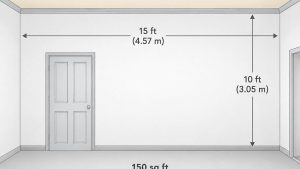
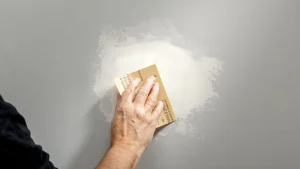
A roller is the right call for most interior walls, a brush is for cutting in edges and trim a roller can't reach, and a sprayer earns its keep on large, uninterrupted surfaces like cabinets, fences, or whole exteriors. Most rooms actually need two of these tools working together, not just one.
Here's how to match the tool to the surface, plus the roller nap thickness that trips up most first-time painters.
- When to Use a Roller
- When to Use a Brush
- When to Use a Sprayer
- Nap Thickness: Picking the Right Roller Cover
- Cost and Cleanup Comparison
In this guide
When to Use a Roller
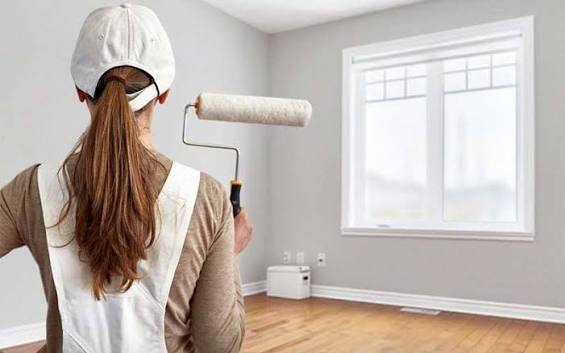
Rollers are the default for flat interior walls and ceilings — they hold more paint than a brush, cover large areas quickly, and lay down a consistent, even texture. If 80% or more of your project is open wall space, start with a roller and only reach for a brush where the roller can't fit.
When to Use a Brush

Brushes handle what rollers can't: corners, edges along the ceiling and baseboards, around window and door trim, and any detailed molding. A 2- to 2.5-inch angled sash brush is the standard choice for cutting in these lines cleanly before rolling the rest of the wall. Doing your cutting-in first, then rolling while the cut-in edges are still wet, blends the two so you don't get a visible line where brush meets roller.
When to Use a Sprayer
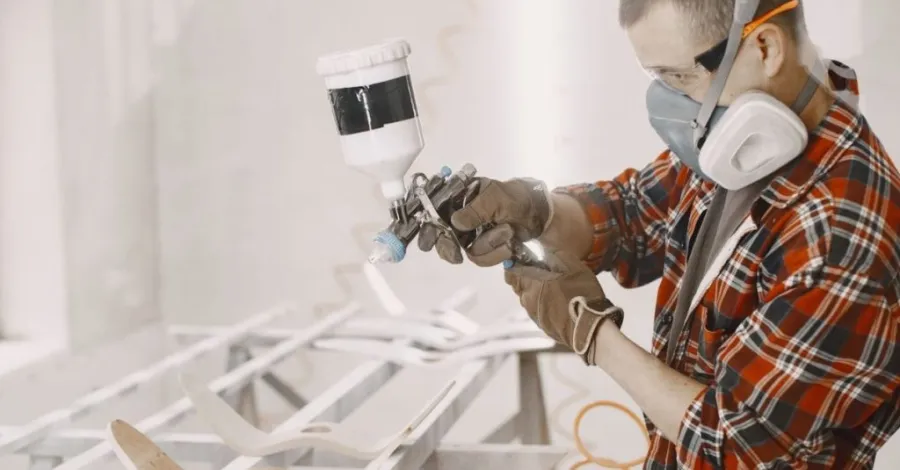
Sprayers shine on large, continuous surfaces where masking off the surrounding area is manageable: cabinets, fences, exterior siding, or an empty room with the furniture and flooring fully covered. They lay down a thinner, more uniform coat than a roller, but overspray means you'll use noticeably more paint per square foot — budget 20–50% more material than a roller-based estimate to account for it. For a single occupied room with furniture, outlets, and trim to mask around, the setup and cleanup time usually isn't worth it compared to a roller and brush.
Nap Thickness: Picking the Right Roller Cover
The roller cover's nap (the fuzzy thickness) needs to match your wall's texture:
- 3/8 inch: smooth drywall or previously painted smooth walls — the standard choice for most interior rooms.
- 1/2 to 3/4 inch: semi-smooth to lightly textured walls, like orange-peel drywall texture.
- 1 inch or thicker: heavily textured surfaces like stucco, popcorn ceilings, or brick, where a thin nap can't get paint into the recesses.
Using too thin a nap on a textured wall leaves gaps in coverage; using too thick a nap on a smooth wall wastes paint and can leave a stippled texture you didn't want.
Cost and Cleanup Comparison
A roller and tray set runs $10–$20, a decent angled sash brush is $8–$15, and both clean up with just soap and water for water-based paint. A basic airless sprayer for occasional home use starts around $100–$300 to buy, or $40–$75 per day to rent, plus extra time for masking, thinning paint if the manufacturer calls for it, and a more involved cleanup to keep the pump from clogging.
For most single-room projects, a roller and brush combo is cheaper, faster to set up, and easier to clean — which is exactly why it's still the default recommendation in our paint quantity calculator. Once your tools are sorted, make sure the wall underneath is ready for them — see How to Prep Walls for Painting.