DIY painting saves you roughly $400–$800 per average room in labor costs — but only if your time, tools, and results are actually worth that trade. The honest math depends less on the paint itself and more on what your weekend, your ceiling height, and your risk tolerance for mistakes are worth.
Here's how to work out which side of that line your project actually falls on.
- The DIY Math
- The Professional Math
- When DIY Actually Costs More
- When Hiring a Pro Is Worth It
In this guide
The DIY Math

An average room runs about $70–$110 in materials — paint, tape, a roller, a brush, and a drop cloth — and roughly 8–12 hours of your own time across prep, two coats, and cleanup. Get your exact paint quantity and materials cost with our paint calculator before you commit to a weekend.
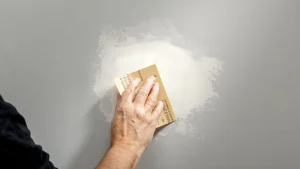
That math looks great on paper. Whether it holds up depends on two things: whether you already own basic tools, and whether your walls need real repair work first or just a light clean and sand.
The Professional Math
A professional quote for that same room typically runs $500–$1,000, once you add $1.50–$3 per square foot of labor on top of materials. We break down exactly where that labor rate comes from in What It Actually Costs to Paint a Room in 2026.
That premium buys you more than just someone else swinging the roller: a pro brings a trained eye for surface problems before they paint over them, faster and more even cutting-in around trim, and — with a reputable company — a workmanship warranty if something goes wrong.
When DIY Actually Costs More

The "savings" of DIY can quietly evaporate in a few common situations:
- You have to redo it. Skipped prep, wrong roller nap, or painting over a wall that wasn't fully clean often means visible flaws that force a second full round of work — at that point you've spent the time twice and still might call a pro.
- You need to rent equipment. Tall ceilings, stairwells, or exteriors often require scaffolding or extension ladders that cost real money to rent and carry real fall risk to use.
- Your time has a real cost. If a weekend of painting means turning down paid work, canceling plans that cost money to rebook, or simply burning out before a big week, the "free" labor isn't actually free.
When Hiring a Pro Is Worth It
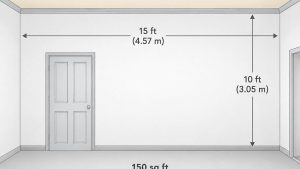
Lean toward hiring out when the ceiling is over 10 feet, when there's water damage or extensive drywall repair involved, when you're selling the home soon and need a flawless finish, or when you simply don't have a free weekend and the labor premium is genuinely worth your time back.
Leaning toward DIY? Make sure you've got the right applicator for your walls — see Roller, Brush, or Sprayer? Pick the Right Tool for Your Wall before you buy anything.