July puts two things under real stress: your home's cooling system and your garden's soil moisture. Both problems have the same root cause — sustained heat — and both are cheaper to head off now than to fix after a breakdown or a dead flower bed.
Here's the checklist worth working through this month, split between the house and the yard.
In this guide
Around the House
- Check your AC filter. A clogged filter makes your system work harder and cool less — with peak summer usage, check it monthly instead of the usual quarterly schedule, and swap it if it looks gray or matted.
- Clear the AC condensate line. This small drain line can clog with algae in humid weather, and when it backs up it can trigger a shutoff or leak near your indoor unit. A wet-vac at the outdoor end usually clears it in minutes.
- Inspect exterior paint and caulk. UV exposure and heat cycling are hardest on south- and west-facing walls — look for peeling, chalking, or cracked caulk around trim and windows before it lets moisture in.
- Test smoke and CO detectors. Mid-year is as good a trigger as any for the 30-second test-button check most households forget until an alarm chirps at 2 a.m.
- Look for pest entry points. Ants, wasps, and other summer pests actively search for gaps around foundations, utility lines, and door sweeps this time of year — a quick walk around the exterior catches most of them before they're inside.
Out in the Garden
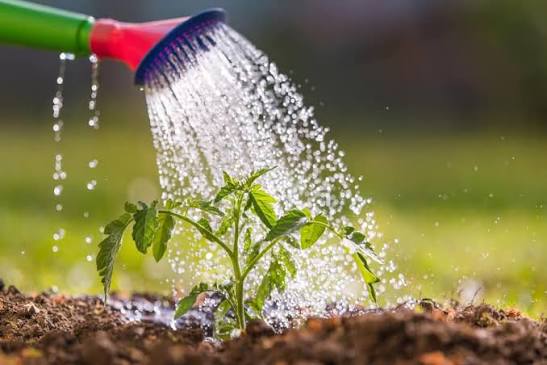
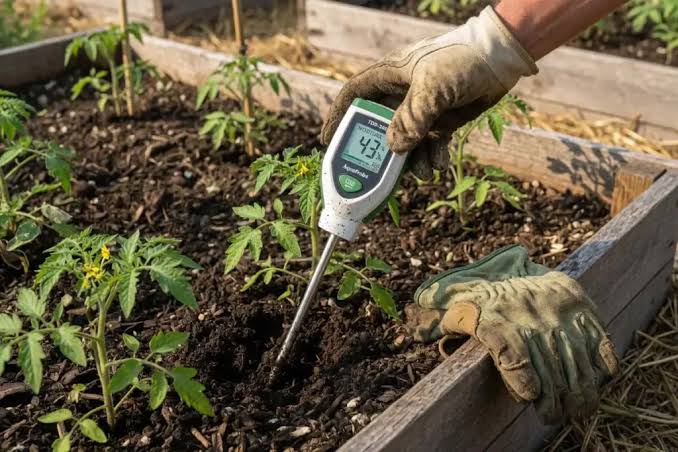
- Water deeply, less often. A long, deep soak once or twice a week encourages roots to grow down toward moisture; frequent shallow watering keeps roots near the surface, where they dry out and stress faster in a heat wave.
- Water in the early morning. Morning watering loses far less to evaporation than midday watering does in full heat, and it gives foliage time to dry out before evening — damp leaves overnight are what actually invites fungal problems, not water droplets sitting on leaves in the sun.
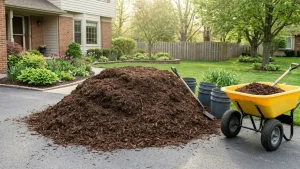
- Refresh your mulch. A proper mulch layer is one of the cheapest ways to cut how often you need to water at all, since it slows evaporation from the soil surface and keeps roots several degrees cooler under full sun.
- Watch for heat-stress wilting. Midday wilting that recovers by evening is usually normal — the plant is conserving water, not dying. Wilting that's still there in the cool of the morning means the plant is genuinely short on water and needs attention.
- Harvest early and often. Vegetables like tomatoes, peppers, and beans keep producing longer if you pick regularly — leaving mature produce on the plant signals it to slow down instead of setting new fruit.
Featured This Month
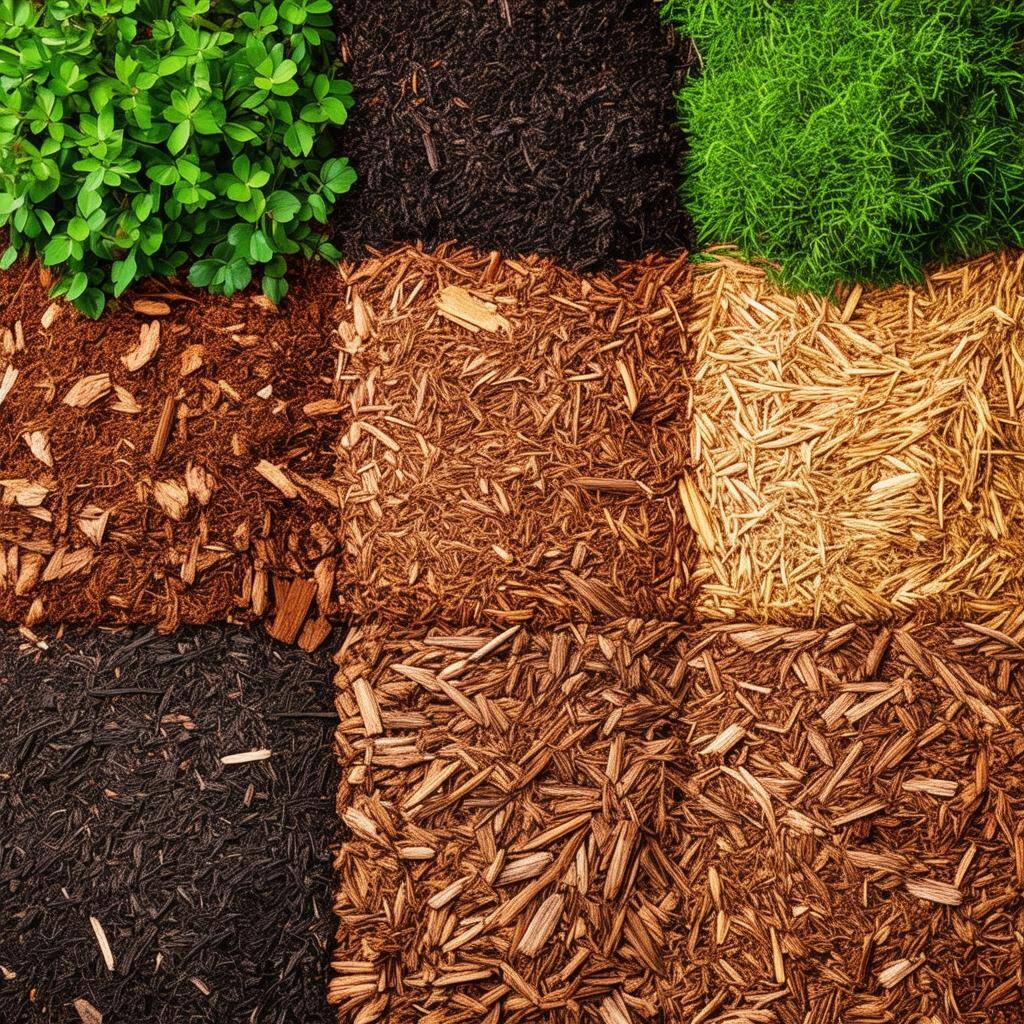
Mulch does more work in July than almost any other month — it's the difference between watering every other day and watering twice a week. These three guides cover exactly how much you need, which type holds up best in full sun, and what should be underneath it:
- How Much Mulch Do You Actually Need? Stop Guessing at the Garden Center — get your exact volume and cost with our calculator.
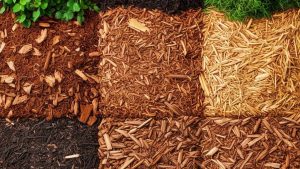
- Mulch Types Compared: Which One Is Worth Your Money in 2026? — cedar and cypress hold up longest through a hot, dry summer.
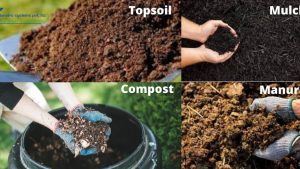
- Topsoil vs. Compost vs. Garden Soil: What Goes Where — healthy soil underneath is what actually holds that moisture once the mulch traps it.
Check back next month for August's checklist — the late-summer planting window opens as some of this heat starts to break.