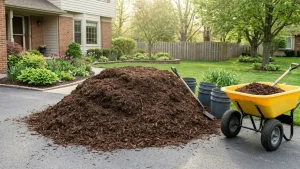
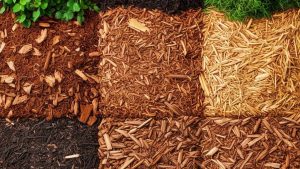
Topsoil is for filling and leveling, compost is for feeding soil that's already there, and garden soil is a pre-mixed blend of both built specifically for raised beds and containers — using the wrong one is the single most common reason a new raised bed compacts hard and grows poorly in its first season.
Here's what each one actually is, and exactly where each belongs in your yard.
- What Is Topsoil
- What Is Compost
- What Is Garden Soil
- What Goes Where
- The Mistake Most People Make
In this guide
What Is Topsoil
Topsoil is simply the mineral-rich upper layer of native soil, screened to remove rocks and debris. It's sold in bulk mostly to fill low spots, level a yard, or build up grade around a foundation. On its own, topsoil is usually low in organic matter and nutrients — quality varies a lot by supplier, since "topsoil" isn't a strictly regulated term, and it can compact into a dense, poorly-draining layer if used by itself in a contained space.
What Is Compost
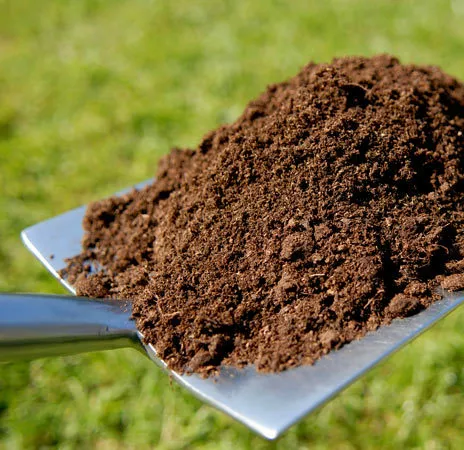
Compost is fully decomposed organic matter — food scraps, yard waste, or manure broken down into a dark, crumbly material. It's not a standalone growing medium; it's an amendment, meant to be mixed into existing soil to add nutrients, improve drainage in heavy clay, and help sandy soil hold water. A one- to two-inch layer worked into the top few inches of an existing bed once or twice a year keeps soil healthy without needing much else.
What Is Garden Soil
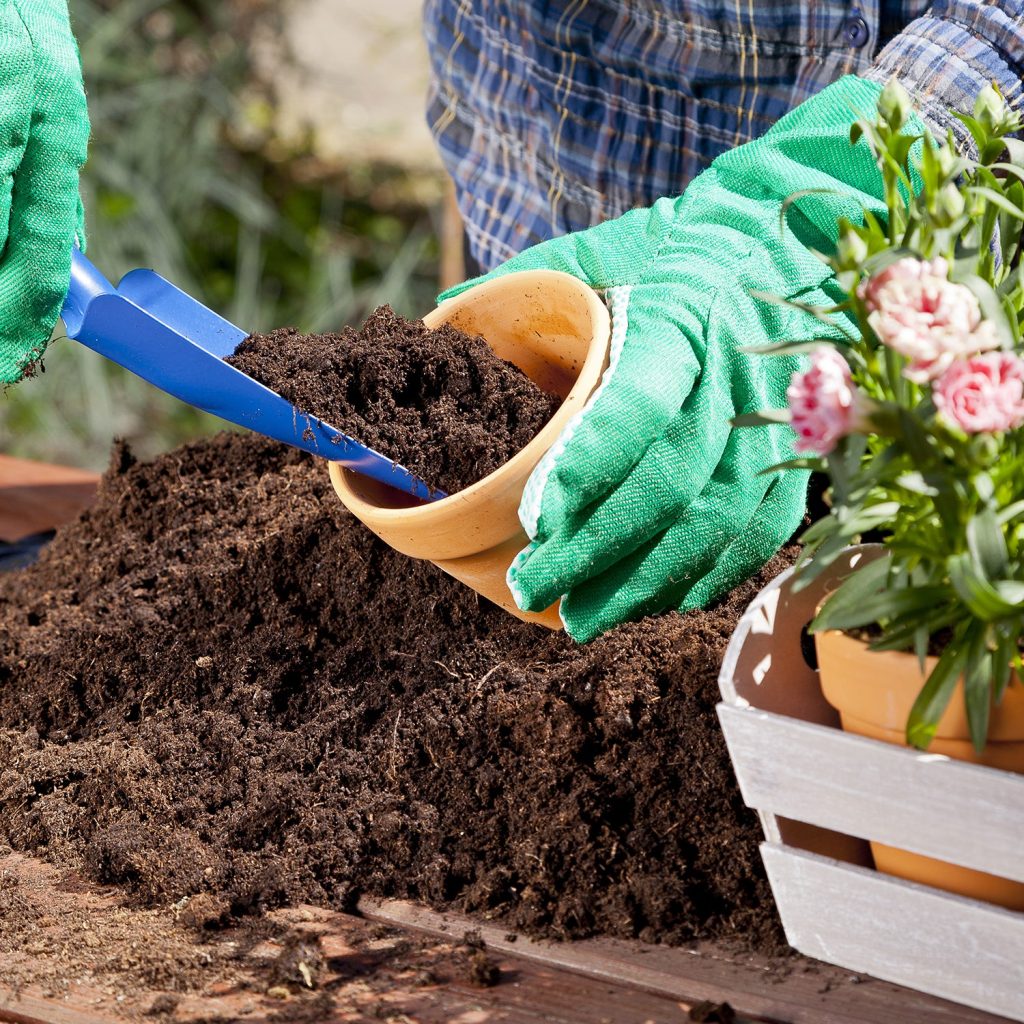
Bagged "garden soil" or "raised bed soil" is a manufactured blend — typically topsoil, compost, and sometimes an aeration material like perlite or coconut coir, mixed to a ratio meant to drain well while still holding nutrients. It's formulated to be used largely on its own in a contained space, which plain topsoil and compost individually are not.
What Goes Where
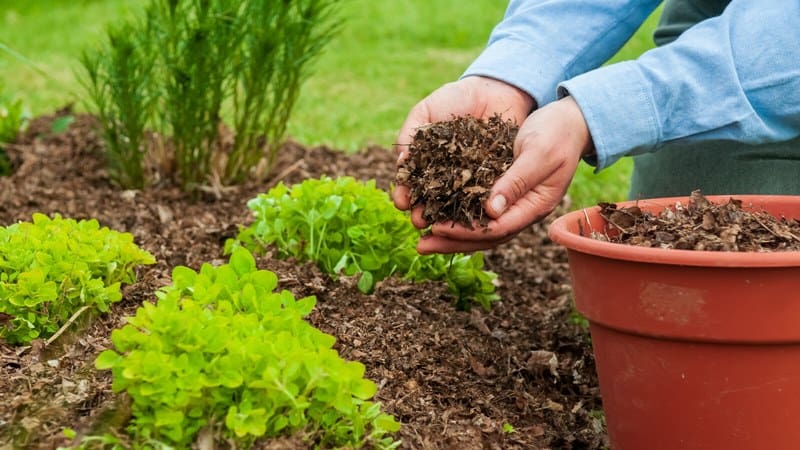
Use topsoil for filling large areas, leveling low spots in the lawn, or building up grade — jobs where volume matters more than nutrient content. Use compost to amend soil that's already in place, whether that's an in-ground garden bed or a lawn that needs a nutrient boost. Use bagged garden soil (or a topsoil-and-compost blend you mix yourself) for raised beds, containers, and new planting beds where the plant's entire root zone lives in what you put there.
The Mistake Most People Make
Filling a new raised bed with plain topsoil, expecting it to behave like potting mix, is the most common misstep — it looks like enough soil, but it lacks the organic matter and structure that keep a contained bed from compacting into a dense, poorly-drained block by midsummer. A simple mix of roughly two-thirds topsoil to one-third compost (or a bagged garden soil blend) gives you the volume of topsoil with the drainage and nutrients compost and aeration material provide.
Once your bed's soil is sorted, top it off with the right depth of mulch — get your exact amount with our mulch calculator.