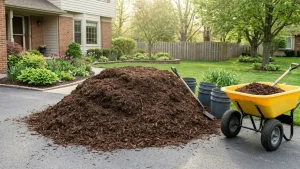
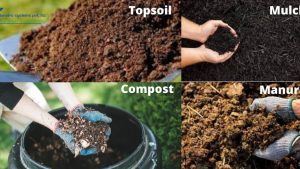
Shredded hardwood bark is the cheapest and most versatile mulch for most yards, running about $4–$5 per 2-cubic-foot bag, while cedar, dyed, and rubber mulches cost more upfront but each earn that premium in a different way — longer life, better color retention, or never needing to be replaced at all.
Here's what each type actually does differently, so you're not paying extra for a feature you don't need.
- Shredded Hardwood Bark
- Cedar and Cypress Mulch
- Pine Straw
- Dyed/Colored Mulch
- Rubber Mulch
- Which One Is Actually Worth the Money
In this guide
Shredded Hardwood Bark
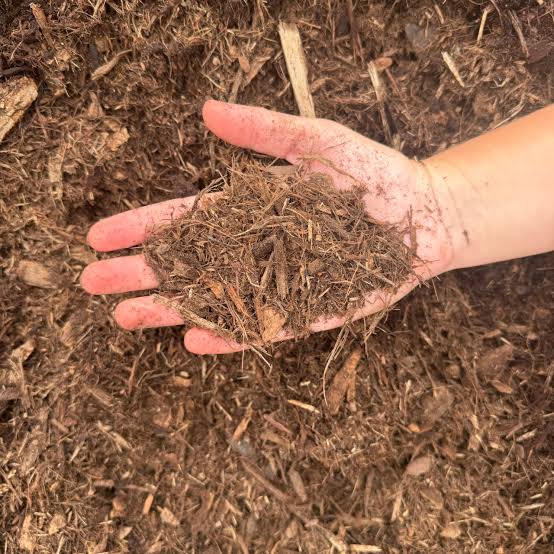
This is the default mulch at most garden centers, and for good reason: it's inexpensive, breaks down into organic matter that improves soil over time, and works well around almost any planting. The tradeoff is a shorter lifespan — plan on topping it up every year, since it fades and thins out faster than the pricier options below.
Cedar and Cypress Mulch
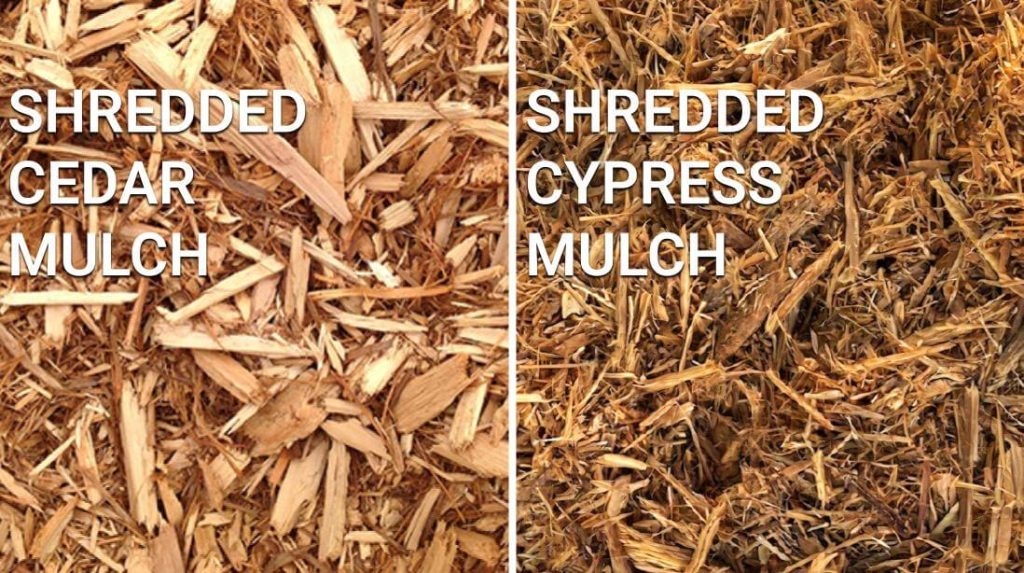
Cedar and cypress contain natural oils that slow decomposition, so both last noticeably longer in the bed than plain hardwood bark — often two to three years before a full refresh. Cedar in particular carries a mild natural insect-deterrent effect against some pests, though it's not a substitute for real pest control if you have a specific infestation. Expect to pay roughly 30–50% more per bag than hardwood bark for either type.
Pine Straw
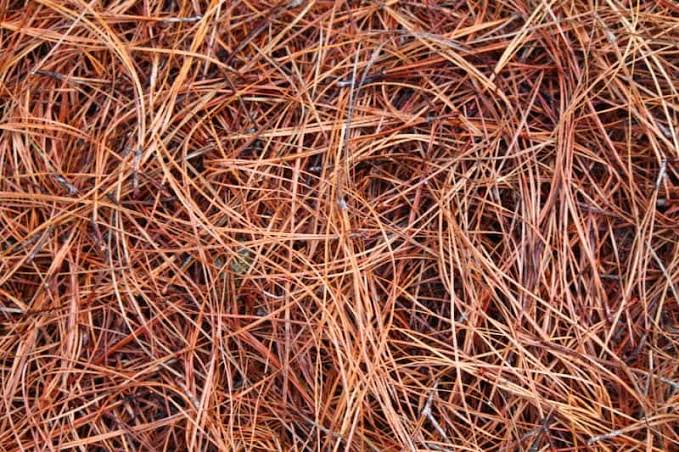
Pine straw (dried pine needles) is lightweight, easy to spread on slopes without washing away, and slowly acidifies the soil as it breaks down — a genuine benefit for acid-loving plants like azaleas, camellias, and blueberries. It's a poor match for beds full of neutral-pH-loving plants, where that slow acidification can work against you over several seasons.
Dyed/Colored Mulch
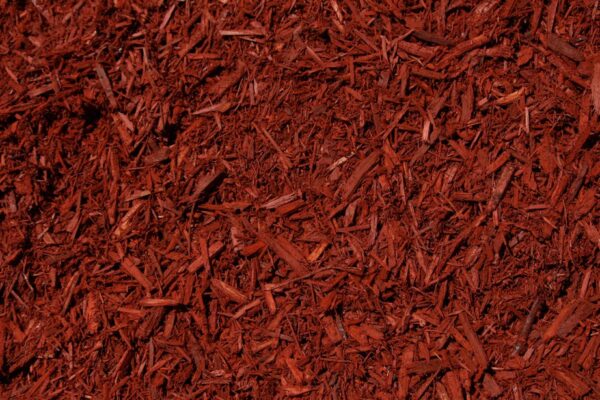
Dyed mulch holds its color longer than natural bark, which fades to gray within months. Reputable brands use iron-oxide or vegetable-based dyes that are considered safe for ornamental beds. The one thing worth checking: some cheaper dyed mulch is made from recycled wood, which can occasionally include treated or painted wood sources — buy from a supplier that discloses their wood source, and skip dyed mulch around vegetable gardens if you can't confirm it.
Rubber Mulch
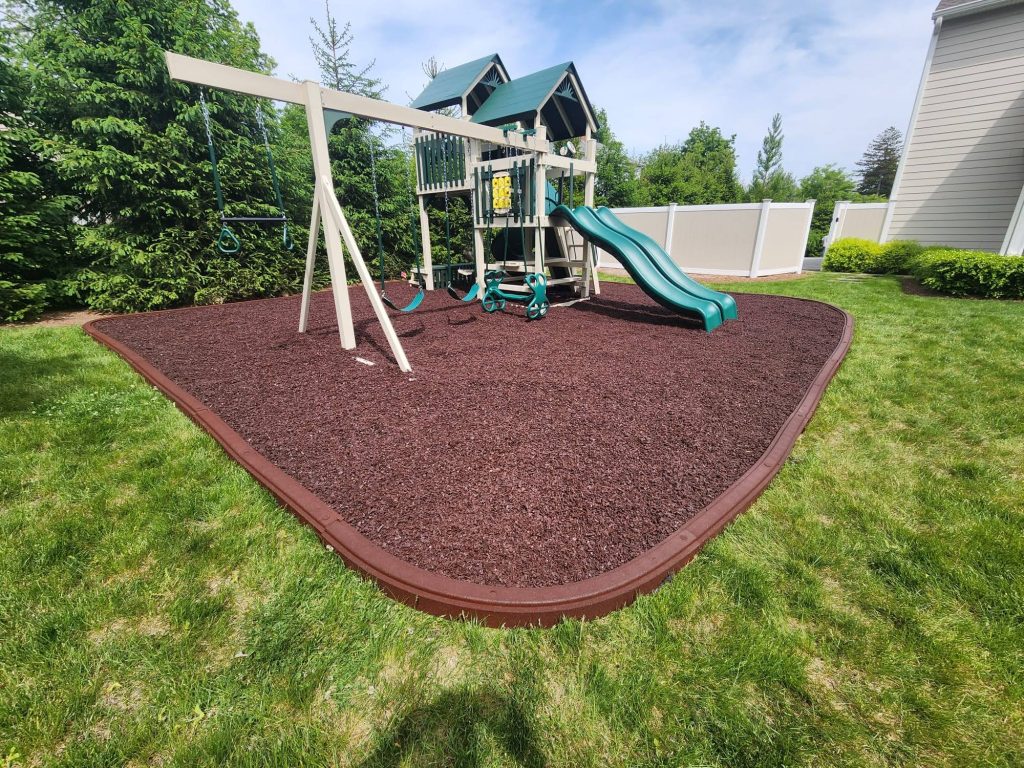
Made from recycled tires, rubber mulch doesn't break down, so it never needs replacing and won't attract termites or fungus the way wood mulch occasionally can. The tradeoffs: it costs several times more per bag upfront, adds nothing to your soil since it never decomposes, and can heat up more than organic mulch in full sun. It's best suited to playgrounds and non-planting areas rather than beds with living plants that benefit from the organic matter breaking-down mulch provides.
Which One Is Actually Worth the Money
For most beds, hardwood bark is the right default — cheap, effective, and it feeds your soil as it breaks down. Upgrade to cedar or cypress for high-visibility beds where you don't want to redo the mulch every year, reach for pine straw specifically around acid-loving plants, and save rubber mulch for play areas rather than planting beds.
Whichever type you pick, get the exact volume for your beds with our mulch calculator so you're not over- or under-buying.