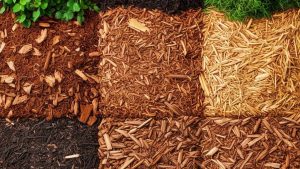
A garden bed needs about 1 cubic yard of mulch for every 100 square feet at the standard 3-inch depth — but the exact number changes with your bed's size and how deep you're spreading it. Enter your bed's dimensions below and you'll get the exact volume, how many bags that means, and whether bagged or bulk delivery is the cheaper way to buy it.
Guessing at the garden center usually ends one of two ways: driving back for more bags mid-project, or hauling home three unopened bags you didn't need. Here's how to get the number right the first time.
- Use the Mulch Calculator
- How We Calculate Your Mulch Volume
- Bagged vs. Bulk: Which Is Cheaper for Your Yard?
- How Deep Should Your Mulch Actually Be?
- When to Refresh Your Mulch
In this guide
Use the Mulch Calculator
Enter your bed's length and width, pick a depth, and adjust the bag and bulk prices if your local supplier charges differently than the defaults below.
Your bed
1. Volume needed
-- cu ft
-- cubic yards
2. Bagged mulch
-- bags
$-- total, 2 cu ft bags
3. Bulk delivery
$--
Estimates only — 1 cubic yard = 27 cubic feet. Bag and bulk prices vary by region and mulch type; adjust the prices above to match your local supplier. See how we calculate these estimates.
How We Calculate Your Mulch Volume
Mulch is sold by volume, not weight, so the math is straightforward: length times width gives you the bed's square footage, and multiplying that by your depth (converted from inches to feet) gives you cubic feet. Divide by 27 — the number of cubic feet in a cubic yard — and you've got the number bulk suppliers actually price by.
For bagged mulch, the calculator assumes the most common bag size sold at home centers: 2 cubic feet per bag. If your local store sells 3-cubic-foot bags instead, just divide the calculator's cubic-feet number by 3 instead of 2 to get your bag count.
Bagged vs. Bulk: Which Is Cheaper for Your Yard?
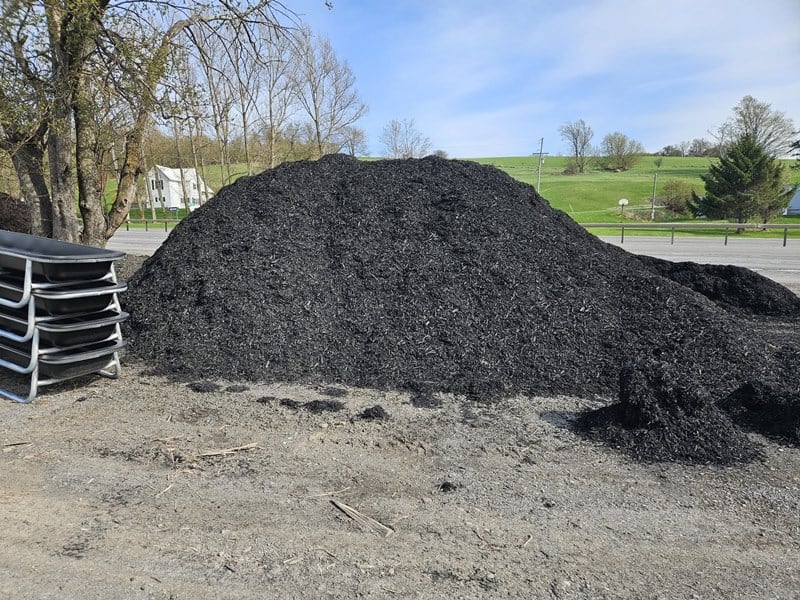
As a rough rule of thumb, bulk delivery starts winning on price once you need more than about 1 cubic yard — roughly a 65-square-foot bed at 3 inches deep, or a smaller bed if you're going deeper. Below that, most suppliers' delivery minimums and fees eat up the per-yard savings, so bagged mulch from the trunk of your car is usually cheaper and definitely more convenient.
Bulk mulch has one more advantage worth knowing: it's usually fresher, since it moves through a landscape supplier's yard faster than bags sitting on a shelf, and fresher mulch holds its color longer before it grays out in the sun.
Not sure which type is worth the money for your beds in the first place? We compare the common options — including how long each one actually lasts — in Mulch Types Compared: Which One Is Worth Your Money in 2026?
How Deep Should Your Mulch Actually Be?
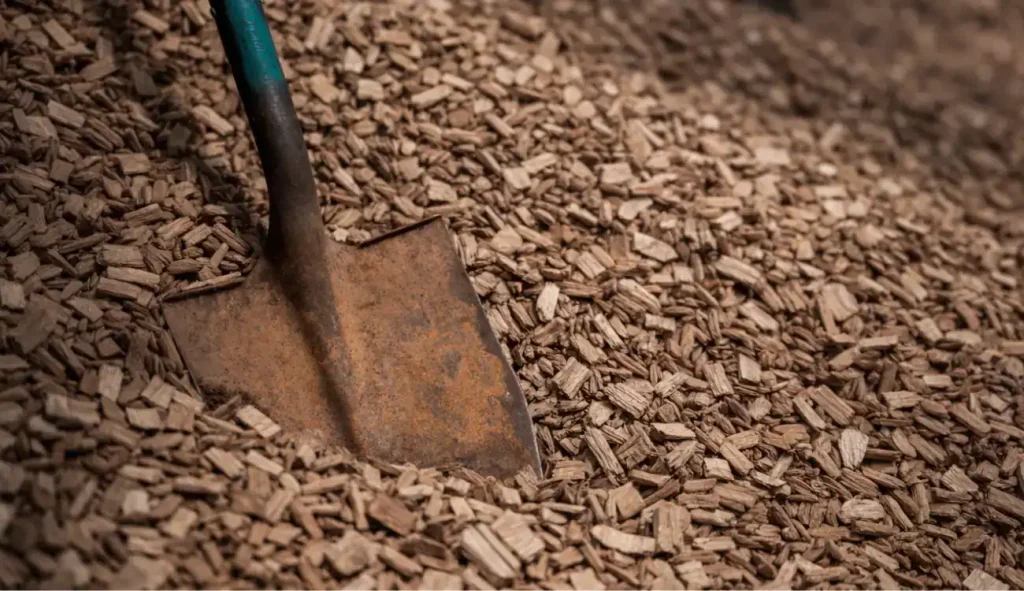
Most garden beds do best with 2 to 3 inches of mulch — enough to suppress weeds and hold in soil moisture without smothering roots or starving the soil of oxygen. Going deeper than 4 inches doesn't add extra weed-blocking benefit and can actually cause problems: roots can grow up into the mulch layer looking for air, and piling mulch against a trunk or stem traps moisture against the bark, inviting rot and pests.
If you already have an inch or so of old mulch breaking down in the bed, a 2-inch top-up is usually enough rather than a full 3-inch layer on top of what's already there.
When to Refresh Your Mulch
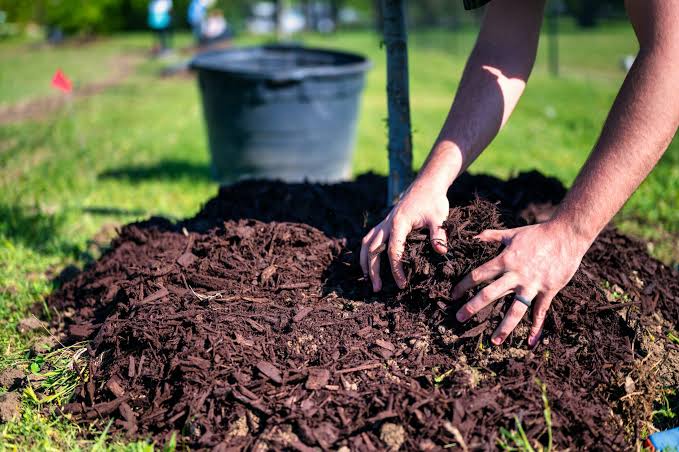
Organic mulch (bark, wood chips, straw) breaks down over time, which is good for your soil but means it needs replacing roughly once a year — most homeowners top up in spring, right as new growth starts and beds are freshly cleaned up. If your mulch still looks intact and holds its color, you likely only need a thin top-up layer rather than a full fresh application.
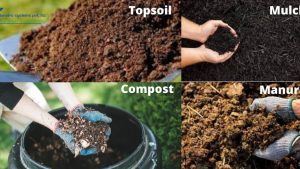
Before you spread anything, it helps to know what's actually underneath the mulch layer doing the real work for your plants. See Topsoil vs. Compost vs. Garden Soil: What Goes Where (Most People Get This Wrong) to make sure your beds are built on the right foundation before you top them off.