What do gardens look like in your neighborhood? If you're surrounded by tidy, sculpted lawns, consider that a red flag: pollinators may be struggling in your area, since what we tend to think of as convenient, low-maintenance landscaping isn't always beneficial for the natural environment around it.
Pollinators play an incredibly important role in our food supply — we can credit them with roughly a third of the food we eat each day. Yet their habitat is declining by an estimated million acres a year, largely due to urban and suburban development. Humans have clearly exacerbated the problem, but the good news is that we can also be part of the solution, and you can make a real difference without ever leaving your own backyard.
Read on to learn what you need to know about pollinators in order to plant a genuinely successful pollinator garden.
In this guide
What Are Pollinators And Why Are They Important?
To reproduce, plants produce seeds, but before that can happen, pollen has to be transferred between flowers of the same species. That's where pollinators come in: they act as vectors, moving pollen between flowers as they feed on nectar or pollen from them. When pollen falls from a pollinator onto a flower's stigma, the plant gets the chance to reproduce.
Wind and water can support this process too, but so do birds, insects, butterflies, bats, and a wide range of other animals — collectively, we call all of them pollinators. The six most common groups are bees, wasps, moths, butterflies, flies, and beetles, though as many as 200,000 different animal species altogether participate in pollinating the roughly 250,000 kinds of flowering plants on this planet. When we disrupt pollinator habitat, we disrupt that plant reproduction directly.
Reproduction is essential for plants to avoid extinction, and that's not just bad news for the plants themselves — we depend on them for food, beverages, spices, fibers, and even medicine. Since so much of what we consume relies on successful pollination, protecting that process is directly in our own interest.
You might be surprised by how many everyday foods and beverages depend on pollinators. If you enjoy a cup of coffee every morning, you have a pollinator to thank for that — chocolate and tequila are two other well-known products of pollination, alongside the huge range of fruits, vegetables, and nuts pollinators help bring to our tables. It's worth pausing to imagine coping without any of these staples, which is exactly why protecting pollinators now matters so much.
What Is The Purpose of a Pollinator Garden?
The purpose of a pollinator garden is to attract pollinating insects and animals with nectar and other nourishing resources. As they move from plant to plant, they support the reproduction process — support that's badly needed, since pollinating animals have suffered significantly due to human activity. Planting a pollinator garden helps repair some of the damage caused by chemical misuse, the spread of invasive plant species, and ongoing habitat loss.
Worryingly, a number of pollinator species now fall under official "listed species" categories, meaning they're considered threatened or endangered. You've probably heard about a broader bee crisis, but the reality is more nuanced than headlines often suggest: U.S. beekeepers now lose a striking share of their managed honeybee colonies every single winter, sometimes 30 to 40 percent or more in a bad year, and only keep total colony numbers roughly stable (or even slightly growing over the past decade or so) by actively splitting and rebuilding hives to replace those losses. In other words, the crisis isn't that honeybee numbers have collapsed nationally — it's that beekeepers are running hard just to stand still, and that constant strain has real costs for bee health and the beekeeping industry. Wild, unmanaged pollinator species, which don't have anyone actively rebuilding their populations for them, are generally considered to be in a more precarious position. Meanwhile, the European Union has been investing in research specifically to determine the condition of pollinating species across Europe.
What can a pollinator garden actually do to help? By supplying a reliable food source, you draw pollinators to your area, and they in turn support the production of food for people — a genuinely elegant exchange when you think about it. A pollinator garden also doubles as an excellent educational tool for children and adults alike: plant one, and you'll get to see how the wider ecosystem works in real life, understanding firsthand how even the tiniest insect plays an important role in the process that eventually puts dinner on your table. It doesn't matter how small your garden is — you can still make a genuinely positive impact.
How Do You Create a Pollinator Garden?
To make your garden pollinator-friendly, here are some top tips:
- Let your garden get a little messy. This one's easy — just leave twig piles and fallen leaves where they are, since this gives pollinators places to shelter and lay their eggs.
- Install a bee home. Before you buy one, make sure it's designed for the right kind of bee. A good bee home should have removable tubes so bee cocoons can be cleaned out, breathable nesting tubes around 15cm long that close at one end (to keep parasites from entering), and a roof with an overhang to keep water out. It also needs to be firmly attached or mounted rather than hung loosely from a wire, since swinging in the wind can disturb the nests inside.
- Make your own bee home. Alternatively, build one from an empty waterproof milk carton or a small wooden house painted with a low-VOC paint. Hang it in a dry spot at roughly eye level, and be patient — it may take a while before bees find and settle into their new home.
- Make a bumblebee nest. Fill a plant pot with dried grass or fine wood chips the bees can use as nesting material, then place it upside down on the ground in the shade, leaving air holes open. A plate placed on top will help hold the pot in position.
- Build a butterfly garden. Plant host plants where butterflies can lay eggs, and allow mud puddles to develop or use rotting fruit to attract adults. Plant a range of native nectar plants that bloom at different times throughout the season — butterflies are especially drawn to sunny spots.
What Are Some Requirements of a Pollinator Garden?
To attract pollinators, it helps to know what they actually like. Color is a bigger factor than you might expect — bees, among the most prolific pollinators, are especially drawn to yellow, purple, and blue flowers, along with plants that carry a sweet scent. Butterflies share bees' fondness for purple and yellow, but are also drawn to white, pink, orange, and red blooms. Hummingbirds, for their part, are pulled in specifically by pink, orange, and red flowers.
Your best overall strategy is planting a range of different flowers so something is always in bloom throughout the growing season, and it's worth including a few flowers that bloom at night too, since those are what attract moths and bats. Varying the types, shapes, and sizes of flowers also matters, since different pollinating insects have differently shaped mouthparts suited to different blooms. It's better not to scatter these plantings at random, though — group flowers of the same kind together in larger clusters, which makes them easier for pollinators to locate, much like grouping similar items together makes a specific aisle easier to find in a supermarket.
Native plants tend to make the best choices for a pollinator garden, since they're already well-suited to your local climate, your local soil, and — most importantly — your local pollinators, which typically evolved alongside them. It's worth staying away from heavily bred hybrid flowers, even the visually "perfect" ones, since they're often bred purely for looks rather than for the pollen, nectar, or fragrance that pollinators actually need.
Similarly, don't get so distracted by the idea of pretty adult butterflies that you forget their caterpillars need food too — caterpillars typically need to arrive in your garden well before the butterflies do. Many species rely on milkweed as a caterpillar host plant, so it's worth including, ideally tucked into a less visible spot in the garden since the leaves will (hopefully) get chewed up as caterpillars feed on them.
Pesticides are a firm no in a pollinator garden — rely on organic pest-management methods instead. You may actually notice reduced pest pressure once your garden becomes more pollinator-friendly anyway, since the birds and other natural predators a healthy, diverse garden attracts will often take care of pest problems for you.
How Do I Turn My Yard Into a Pollinator Garden?
To encourage bees to visit, you need to offer them a genuinely tasty snack — they eat both nectar and pollen, with pollen supplying fat and protein while nectar functions more like dessert, offering a concentrated hit of sugar. Once your garden has a range of plants flowering at different times, it'll look to bees like an all-you-can-eat buffet that's always open.
Butterflies and bees are also drawn to a damp salt lick, which you can build yourself fairly easily — all you need is a dripping hose connected to an irrigation line, or simply a birdbath placed directly on the soil, with sea salt stirred into the resulting mud. Butterflies themselves, for all their elegance as adults, actually feed rather inelegantly: rather than sweet nectar, many prefer animal droppings and rotting fruit. For their caterpillars, violets, milkweed, dill, and asters are all good options to include on the menu.
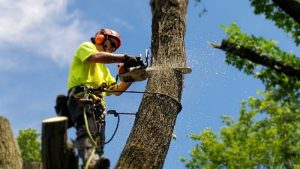
Something that takes getting used to for gardeners shifting their focus toward pollinators is that pure aesthetics stop being the top priority. That doesn't mean your garden has to look messy — it's hard for a garden full of diverse, colorful flowers to look anything but beautiful — but you may need to embrace a few unconventional elements, like leaving a dead tree or a dead limb standing. What looks like dead wood to us can actually serve as an essential nesting site for pollinators. If you have scrap wood lying around, try drilling holes of varying sizes into it and mounting it outdoors as a simple, effective bee nesting block.
If you want to support a hummingbird population too, mix four parts water with one part plain table sugar to make nectar — the golden rule with pollinator gardens is keeping things natural, meaning no pesticides and no artificial sweeteners in your nectar either. Place the mixture in a hummingbird feeder alongside something red nearby to catch their attention, since hummingbirds are particularly drawn to that color; flowers like red or purple hollyhock, pink or red coral bells, bee balm, summer phlox, and sage are all likely to catch their eye as well.
Finally, a great way to round out a pollinator garden is with plenty of sunflowers. Because they grow so tall, they act almost like a signpost or roadside billboard, helping pollinators spot your garden from a distance — and beyond their role as a visual beacon, sunflowers also offer a genuinely useful supply of nectar and pollen for bees and butterflies to feed on.
Do Pollinator Gardens Work?
In a word, yes — a purpose-built pollinator garden really can make a meaningful difference. Your garden might be small-scale, but if it's rich in plant diversity, it can still play a real role in increasing the abundance and diversity of pollinators in your area.
Want to multiply the effect of your own pollinator garden? Inspire others to follow your lead. When you share pretty photos of the hummingbirds and butterflies drawn to your colorful flowers, take the opportunity to share some information about pollinators too — plenty of people don't realize how easy, and how essential, it is to support their activity.
A neat, tidy lawn might look conventionally attractive, but there's something far more rewarding about a garden alive with genuine biodiversity. You can absolutely curate a garden that's beautiful and beneficial at the same time — and given how hard bees, butterflies, birds, and every other pollinator work on our behalf, planting a pollinator garden is one of the more meaningful ways to help them keep doing that essential job.
REFERENCES:
https://www.pollinator.org/pollination
https://www.fs.fed.us/wildflowers/pollinators/gardening.shtml
https://www.fs.fed.us/wildflowers/pollinators/What_is_Pollination/
https://www.foxleas.com/what-is-a-pollinator-garden.asp